 Pulse
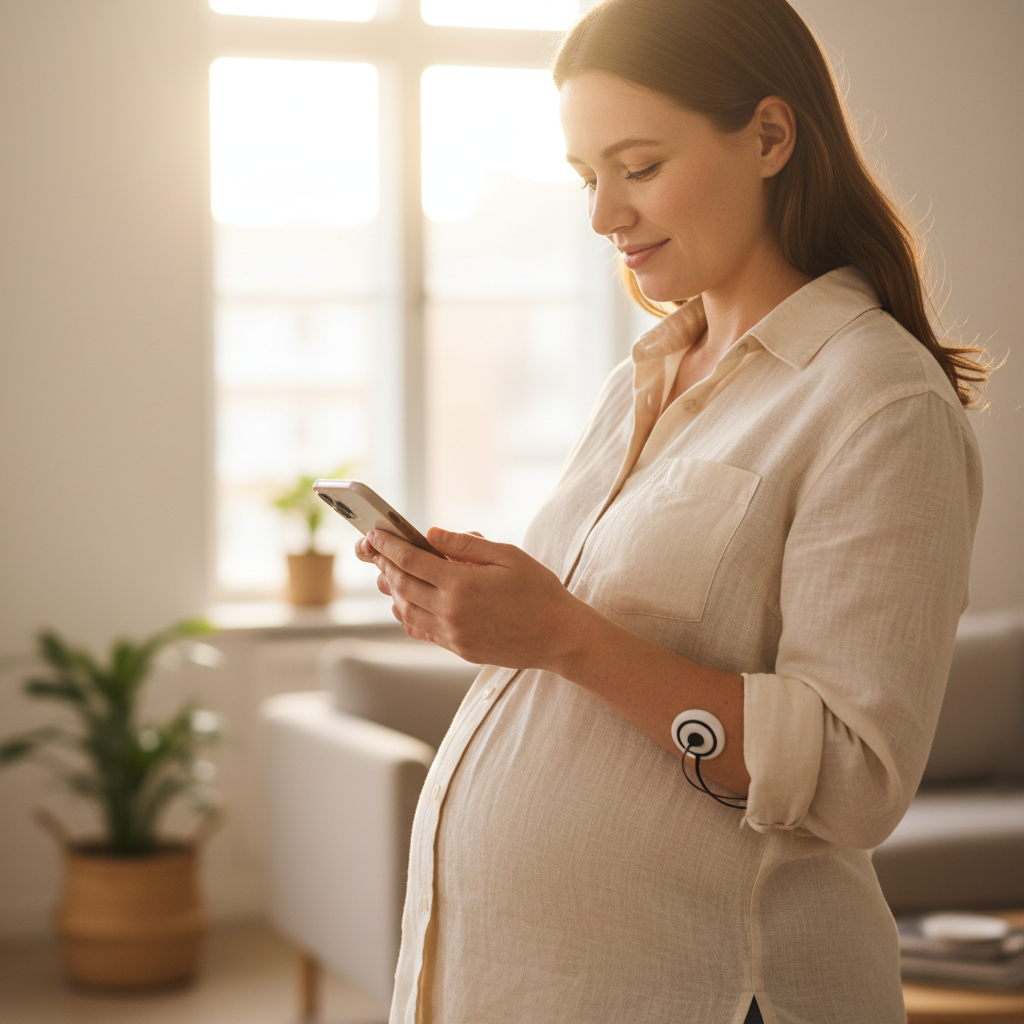
PulseA skin-surface sensor the size of a coin delivers real-time glucose data every 90 seconds — no needles, no calibration, no guesswork.
- FDA Cleared
- ISO 15197
- HIPAA Compliant
- Dexcom Compatible
- Apple Health
- Medicare B
- Anthem
- UnitedHealthcare
- Cigna
- Aetna
- Blue Cross
- Tricare
- FDA Cleared
- ISO 15197
- HIPAA Compliant
- Dexcom Compatible
- Apple Health
- Medicare B
- Anthem
- UnitedHealthcare
- Cigna
- Aetna
- Blue Cross
- Tricare
Your blood sugar, every moment — not every morning.
Traditional glucometers give you a snapshot. Pulse gives you a film. The micro-sensor beneath the adhesive patch reads interstitial glucose through the skin and delivers a new data point every 90 seconds, so you see spikes forming before they peak.

Zero penetration. Zero hesitation.
The Pulse sensor reads glucose through optical spectroscopy — light, not metal, passes through the dermis. No lancets. No insertion. No calibration fingersticks. For the 34% of Type 1 patients who cite needle anxiety as the reason they skip readings, this changes the calculation entirely.
Put it on Monday. Replace it two Fridays later.
One sensor. Two full weeks. No mid-shift swap, no reordering panic, no sensor failure at 3 AM. For long-haul drivers managing CDL requirements, that means a full route from Chicago to Los Angeles covered by a single patch — and a continuous A1C record your DOT medical examiner can actually use.

Visibility is the intervention.
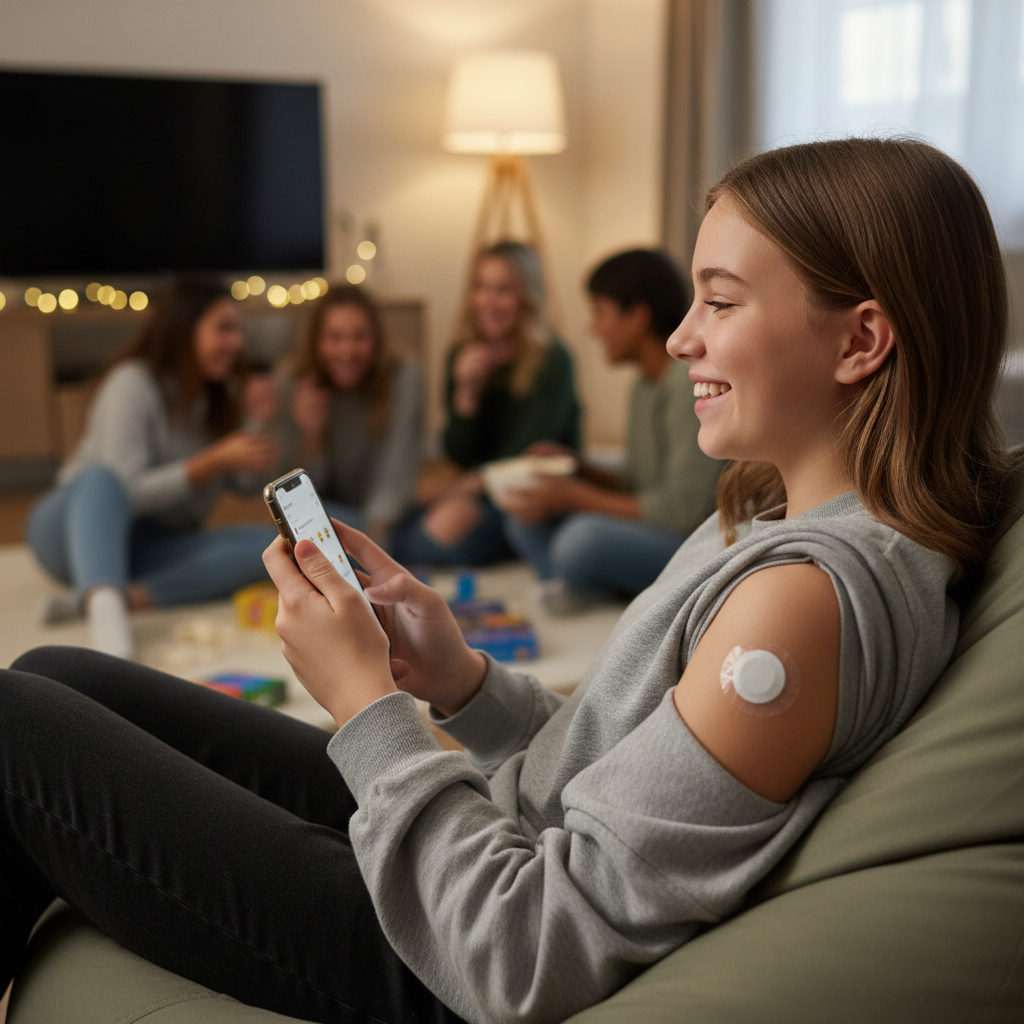
In our post-market study of 1,204 users, 92% reported a measurable reduction in low glucose events within the first 30 days. Not because Pulse delivers insulin — but because seeing the number drop in real time at 74 mg/dL gives you the 15 minutes you need to eat the crackers before the shaking starts.
Numbers that hold up
in a lab, not just marketing.
MARD (Mean Absolute Relative Difference) vs. lab venous blood draw across 847 participants in the PULSE-1 trial.
Users who reported a measurable reduction in hypoglycemic episodes within the first 30 days of continuous wear.
Accuracy maintained through day 14 with no recalibration required, validated across ambient temperatures 15–40°C.
Commercial drivers using Pulse who maintained A1C within DOT-acceptable range over 6-month follow-up period.
Ready to see your numbers?
Check if your insurance covers Pulse — takes 90 seconds.